Original Visual
Open box depth guide for pine pellets
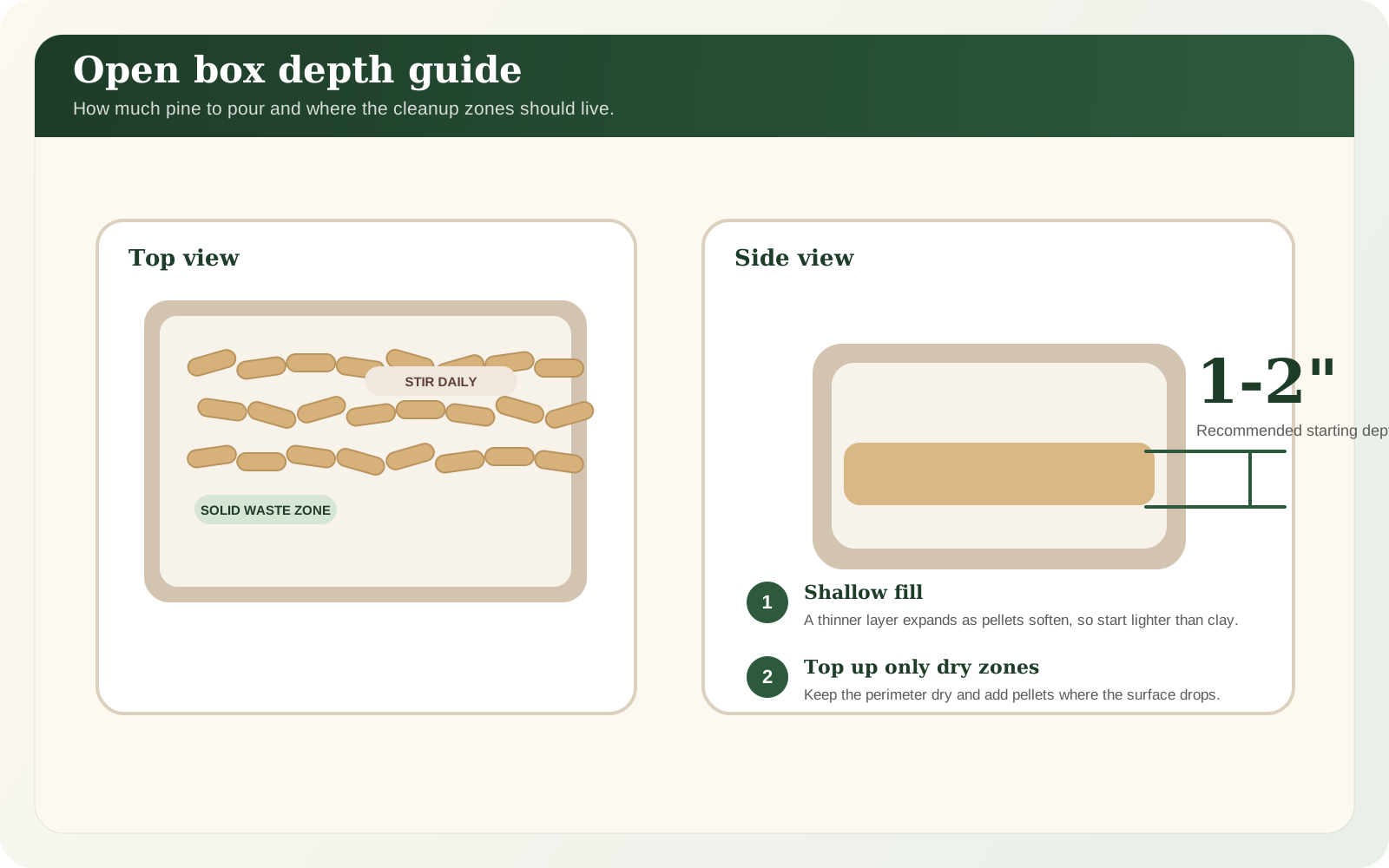
Simple depth diagram for a standard box with a one to two inch pellet layer and clear daily maintenance zones.
Everything you need to know about setting up, transitioning to, cleaning, and maintaining fine pine cat litter for the best results. This is the practical process page, not the science explainer or the category comparison.
This page names everyone who worked on it and cites its external sources. We run no laboratory and test no litter ourselves. The scope below shows what was checked before publication.
The buying guide contains affiliate links. They are disclosed and kept separate from the transition steps described in the testing block.
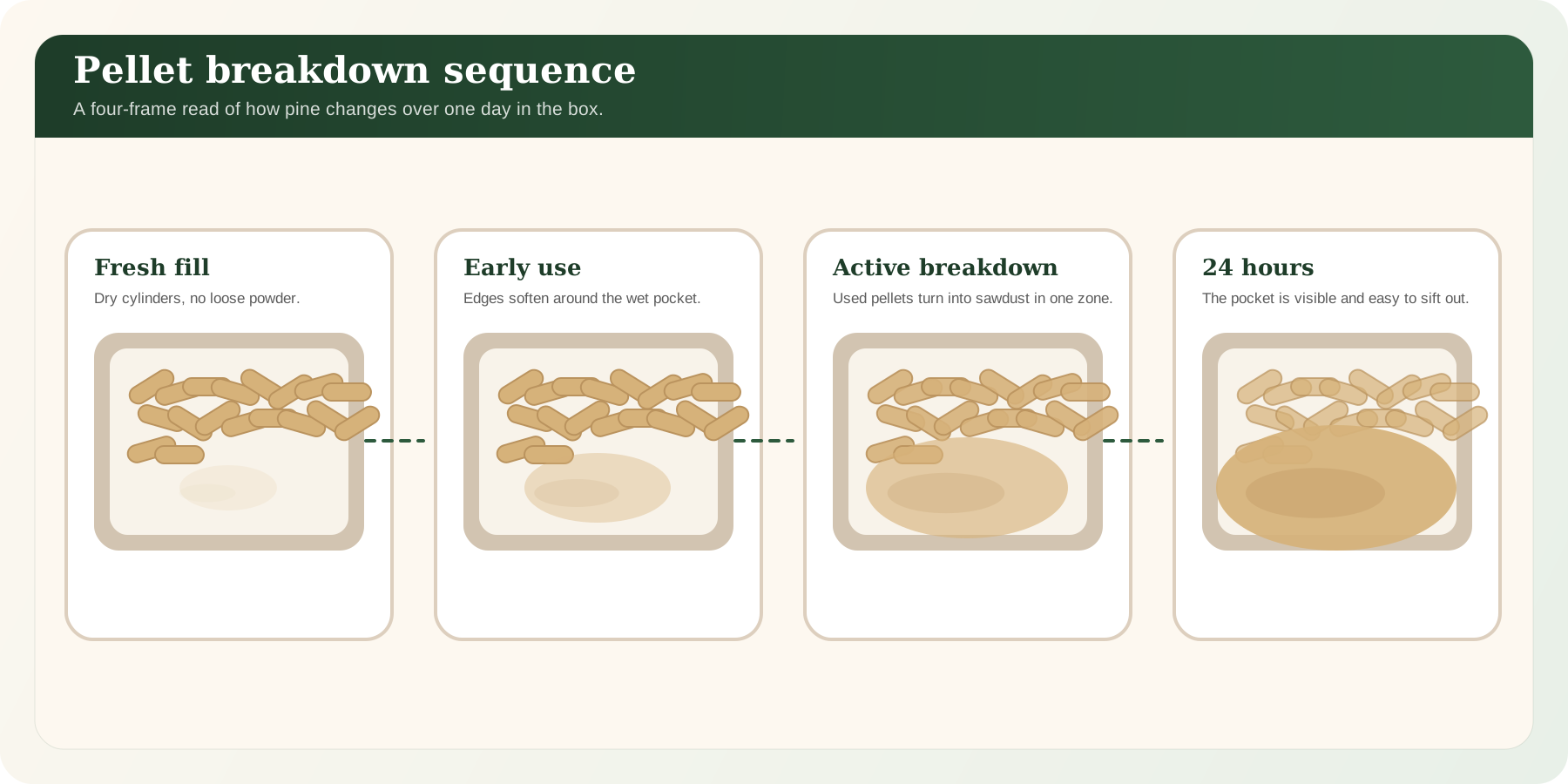
Pine cat litter comes in two main forms: compressed pellets and loose shavings. Pellets are the format most clearly supported in the current public assessment, especially for low tracking and sifting performance. They break down into sawdust when wet, which changes the cleanup style more than the basic litter choice alone. If you want a category-level take on how pine differs from clay or tofu, use the comparison pages.
Quality wood-based cat litter should be sold as kiln-dried pet litter, not as raw or untreated wood products. This page does not publish lab assays for kiln treatment, but it does keep the buying advice narrow: avoid pine products not intended for litter-box use. If that buying language is the main thing you are trying to decode, use our kiln-dried pine pellet explainer.
Ingredient lists vary. Some shoppers prefer plain pine products without added fragrance, while others accept odor enhancers if the cat tolerates them. The safest rule here is to check the label instead of assuming the whole category is additive-free. The science page explains where the site draws that evidence boundary.
Transition pace varies more than broad pine-marketing pages admit. In our assessment, pine scored 5.1-6.4/10 on transition difficulty versus 2.1/10 for the clay control, so this four-stage schedule is a conservative template, not a guarantee:
Mix 25% pine pellets with 75% of your current litter. This lets your cat get used to the new texture and scent gradually. Use the refusal guide if the first week gets rocky.
Increase to a 50/50 mix of pine and old litter only if the first stage is going smoothly. If the cat hesitates, stay at the earlier ratio longer instead of forcing the schedule.
Switch to 75% pine, 25% old litter if box use is still normal. Some cats need a longer bridge stage before the pellet texture feels routine.
Move to 100% pine litter. Monitor for the first few days to ensure your cat is using the box normally. The comparison guide publishes the transition difficulty scores behind this guidance.
Fill the box with 1-2 inches of pine pellets. Unlike clay, you don't need a deep layer. The pellets expand as they absorb moisture, so starting with less is actually better.
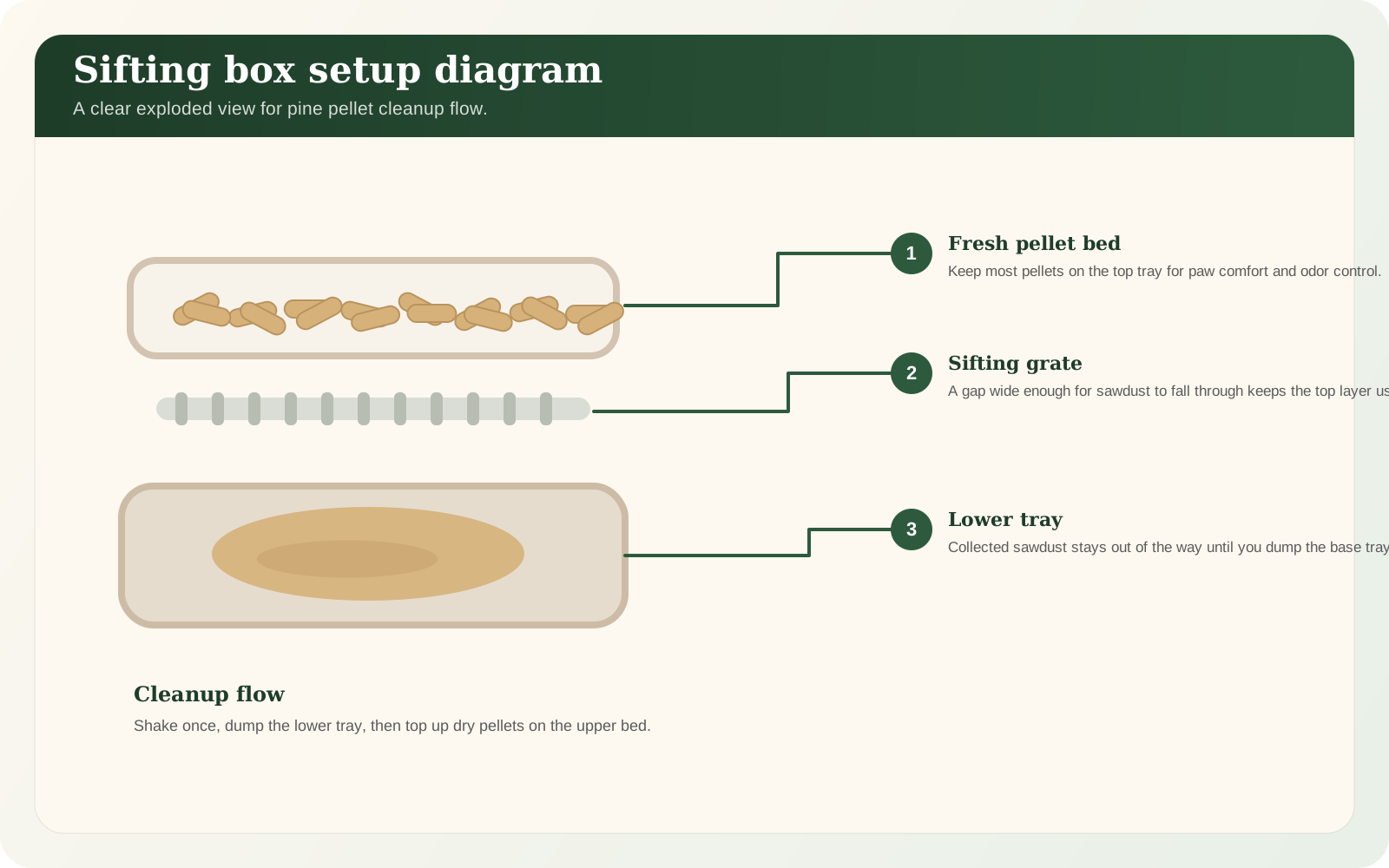
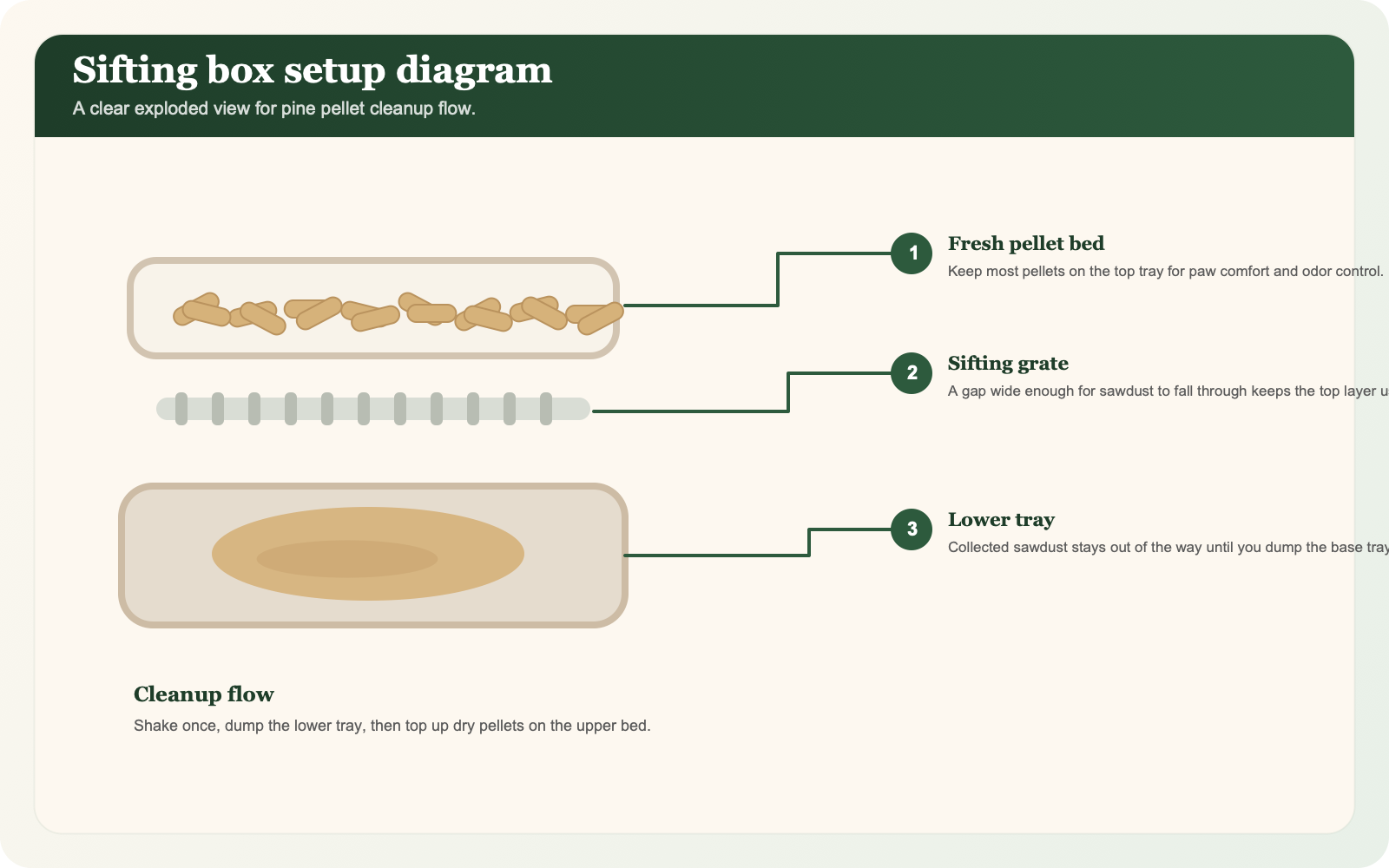
Pine cat litter works with any style of litter box. However, if you want to take advantage of the sawdust-sifting method, consider a sifting litter box system. We also break down the best litter box for pine pellets if you want the dedicated setup guide:
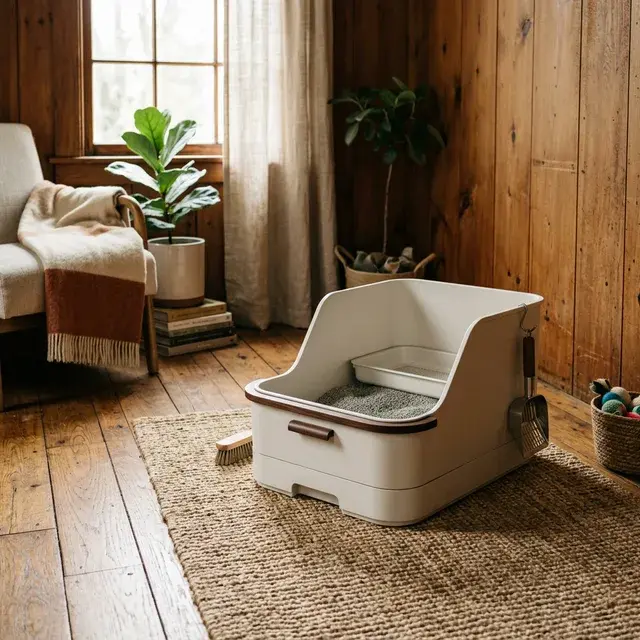
Place the box in a quiet, accessible location away from food and water. Cats prefer privacy, but the box should still be easy for you to access for regular maintenance.
Illustrations of the setup depth, sifting stack, and pellet breakdown pattern described in this guide.
 Play demo
If more than one cat shares the setup, follow a tighter top-up and placement routine using our pine litter for multi-cat homes guide. For side-by-side durability numbers, check the published multi-cat scores.
If your cat is avoiding the pine litter, try slowing down the transition. Go back to a higher percentage of the old litter and increase pine more gradually. Some cats may take 4-6 weeks. If the refusal is more stubborn, use our cat won't use pine pellets guide.
Pine can control odors well, but if you're noticing smells:
Use the ExquisiCat review if you want to compare a major Canadian retail pine pellet option against plain pine and clay.
While pine tracks less than clay, some sawdust may stick to paws. A litter mat outside the box catches most of it. Pellets themselves rarely track because of their larger size.
If pellets aren't breaking down, they may not be getting wet enough (which is good—means they're still fresh!). Don't worry about breaking them down manually; just remove solids and let the system work naturally.
Biodegradable pine litter can go in your regular garbage. This site does not publish landfill-speed comparisons, so keep the disposal claim simple: wood fiber is biodegradable, but local handling rules still apply.
Clean, unused pine sawdust and pellets can be composted. However, never compost cat waste—it can contain harmful pathogens. Only compost the clean, saturated sawdust that didn't contact feces.
Despite some claims, we don't recommend flushing any cat litter. Cat waste can contain Toxoplasma gondii, which isn't fully removed by water treatment and can harm marine wildlife.
Start with a shallow 1 to 2 inch layer, remove solids daily, stir or sift out damp sawdust, top up with fresh pellets, and move slowly if your cat is transitioning from clay.
Scoop solids every day, separate damp sawdust from fresh pellets during the week, wipe the box edges, and do a full change on a regular cadence that matches odor load and traffic.
Top-ups usually happen during the week, while a full dump-and-wash schedule depends on how many cats use the box and how quickly pellets break down into damp sawdust.
Most pine pellet setups work best with a shallow 1 to 2 inch layer rather than a deep bed, because the pellets expand and break down as they absorb moisture.
Kittens can use pine litter once they are old enough to use a litter box independently, usually around 4 to 6 weeks. The larger pellet size reduces the risk of ingestion compared with fine clay, but very young kittens still explore with their mouths. Watch for chewing during the first few days and use a shallower fill so smaller paws can dig comfortably. If a kitten is recovering from surgery or declawing, follow veterinary guidance on litter type before defaulting to pellets.
Senior cats with arthritis or joint stiffness may find large pellets harder to dig in than finer substrates. Fine pine granules are a better starting point for older cats because the texture is closer to what they already know. Keep the box low-sided for easy entry, and avoid forcing a texture change on a cat that is already dealing with mobility or pain issues. If the cat has urinary problems, consult your veterinarian before switching litter types.
Clean, unused pine sawdust and pellets are compostable because they are plain wood fiber. However, never compost litter that has contacted cat waste. Cat feces may carry Toxoplasma gondii and other pathogens that home composting temperatures do not reliably destroy. Spent litter should go in regular household trash. Local composting rules vary, so check your municipality before adding any animal-contact material to a compost bin.
Health, behavior, and safety claims are checked against veterinary, academic, or standards-based sources. See our editorial policy for more information on our sourcing standards.
Once readers understand the basic pine workflow, the next step is usually a more specific troubleshooting or setup page.
Review the raw transition, tracking, odor, and multi-cat scores behind the guide.
Explore Topic →Troubleshoot the most common transition failure without restarting from scratch.
Explore Topic →Adapt the routine for households that need more box access and faster refresh cycles.
Explore Topic →Choose the box style that makes pellet cleanup and cat acceptance easier.
Explore Topic →Decode the buying language around kiln-dried pine before you choose a bag.
Explore Topic →A head-to-head comparison if you are deciding between pine and clay specifically.
Explore Topic →Compare pine and tofu on dust, tracking, odor, and transition difficulty.
Explore Topic →Once your process is clear, compare products in the review library or inspect the published sourcing notes before following any sponsored option.